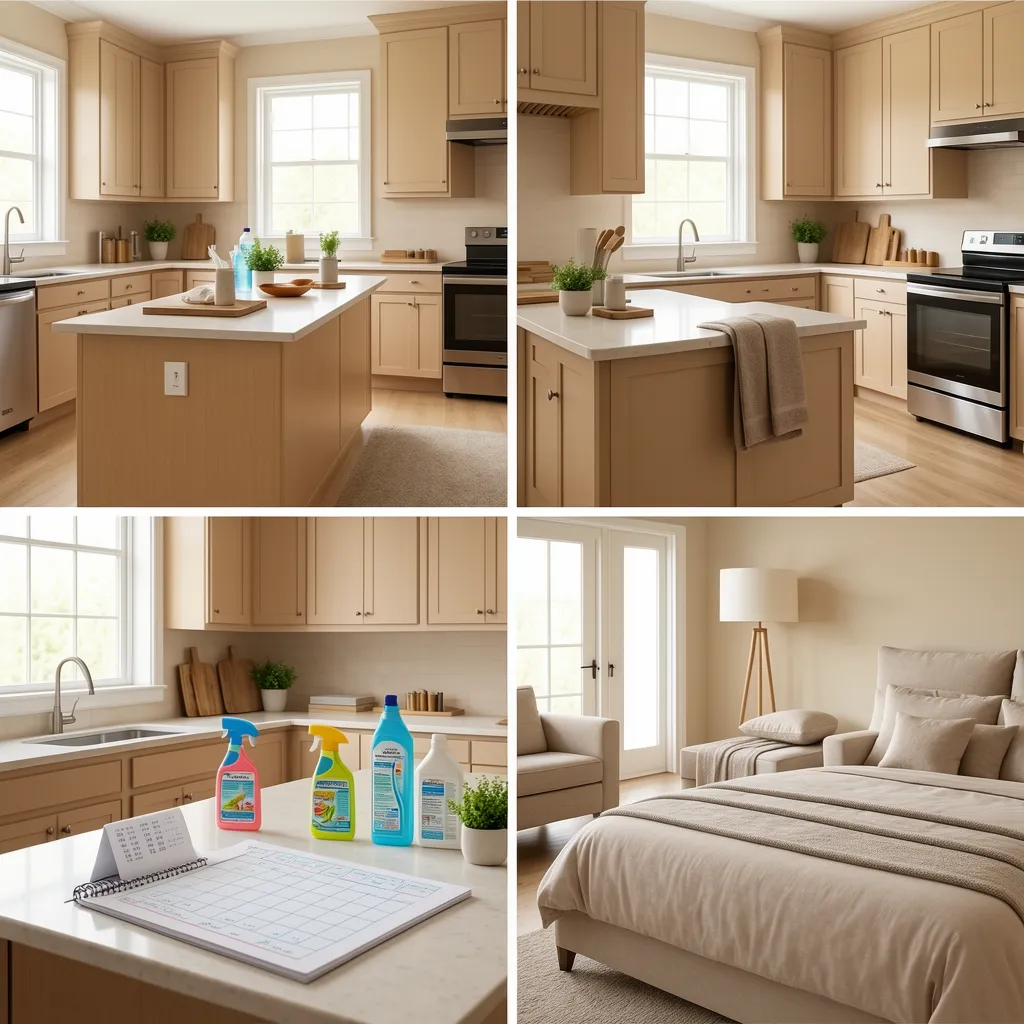
How to Build a Weekly Cleaning Routine That You Will Actually Stick To
Most cleaning routines fail because they are either too rigid or too vague. Here is a practical framework for a weekly routine you can adapt to your home and schedule.
A daily cleaning routine does not need to take an hour. This 15-minute system covers the things that make a home feel dirty, in the right order, without wasting time on what can wait.
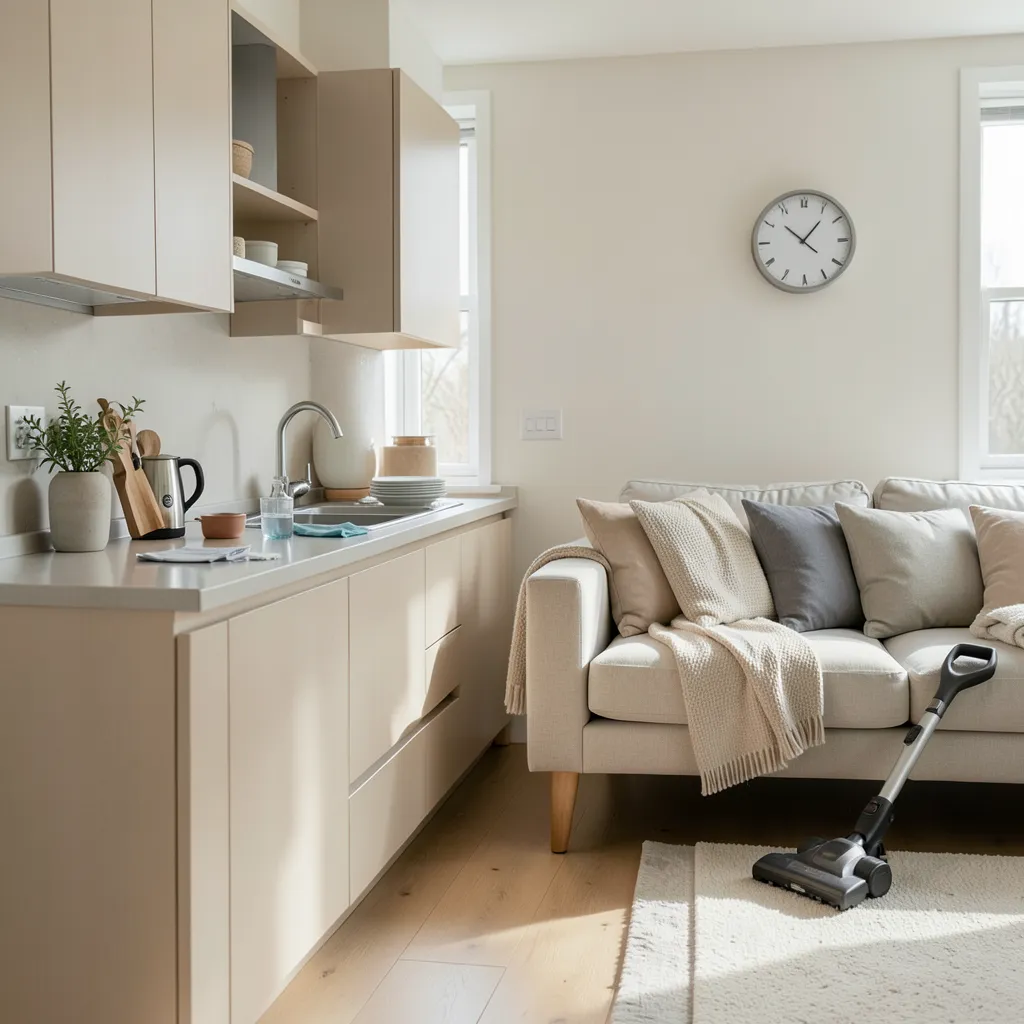
The most common mistake is trying to clean everything every day. That is not a routine — it is a cleaning session, and it burns out quickly because it is unsustainable.
An effective daily routine focuses on what is actually visible and what actually affects how clean a home feels. These are not the same things.
This routine is designed to be done every day, ideally at the same time. Morning before work or evening after dinner work equally well.
It is ordered to minimize backtracking and walking between rooms.
Load or empty the dishwasher. Wipe the counter and stovetop. Rinse the sink and leave it dry.
These three things have the biggest impact on how clean a kitchen feels.
Do not deep-clean appliances, scrub the inside of the microwave, or clean inside drawers — those are weekly tasks.
Collect and put away anything that does not belong: dishes, clothes, bags, and mail.
Fluff cushions and fold any throws. This takes about two minutes and makes a room look like a different room.
Resist the urge to reorganize or sort items. Just return them to their homes.
Wipe the sink and faucet. Check the toilet rim and seat — wipe with a disinfectant wipe if needed.
Straighten any products on the counter. Replace the hand towel if it looks used.
Scrubbing the toilet bowl and cleaning the shower are weekly tasks.
A quick pass with a microfiber mop or dry sweeper on kitchen and bathroom floors removes the crumbs and dust that accumulate daily and make other surfaces feel dirty.
You do not need to mop with product every day. A dry pass takes 60–90 seconds per room.
Return any last items to their homes. Turn off unnecessary lights.
Set out whatever you need for tomorrow, such as your coffee cup, bags, or keys area.
This is less about cleaning and more about waking up to an organized starting point.
These tasks are excluded from the daily routine because they do not need to be done every day:
Adding these tasks to a daily routine is why people give up on daily routines.
Having the right products in the right place is half the system.
If your surface cleaner is under the sink in another room, you will not use it. Store a small spray bottle and a microfiber cloth in each room you clean.
The investment is minimal; the time saved is significant.
The best daily cleaning tools are:
Most people report that a daily routine feels effortful for the first two weeks and automatic by week four.
The shift happens because you stop thinking about what to clean next — the routine runs itself.
The best way to start is simple: pick a start time, set a 15-minute timer for the first week, and do not let yourself go over.
The constraint forces you to prioritize the most important things.
Most cleaning routines fail because they are either too rigid or too vague. Here is a practical framework for a weekly routine you can adapt to your home and schedule.
A bathroom surface clean and a bathroom deep clean are not the same thing. This guide covers every surface, fixture, and hidden corner — with a checklist you can print and reuse every month.