How to Organize Your Closet: The Complete Guide to a System That Stays Neat
Most closet organization projects fail within three months. This guide explains why — and how to build a system based on your actual wardrobe that holds up long-term.
By HomeLogicWorld Editorial
Updated September 15, 2026
The Real Problem with Closet Organization
A closet does not get disorganized because of a lack of storage. It gets disorganized because the system does not match how the person using it actually lives.
Before buying a single organizer, you need to understand two things: what you own and how you use it.
Step 1: The Full Edit — Take Everything Out
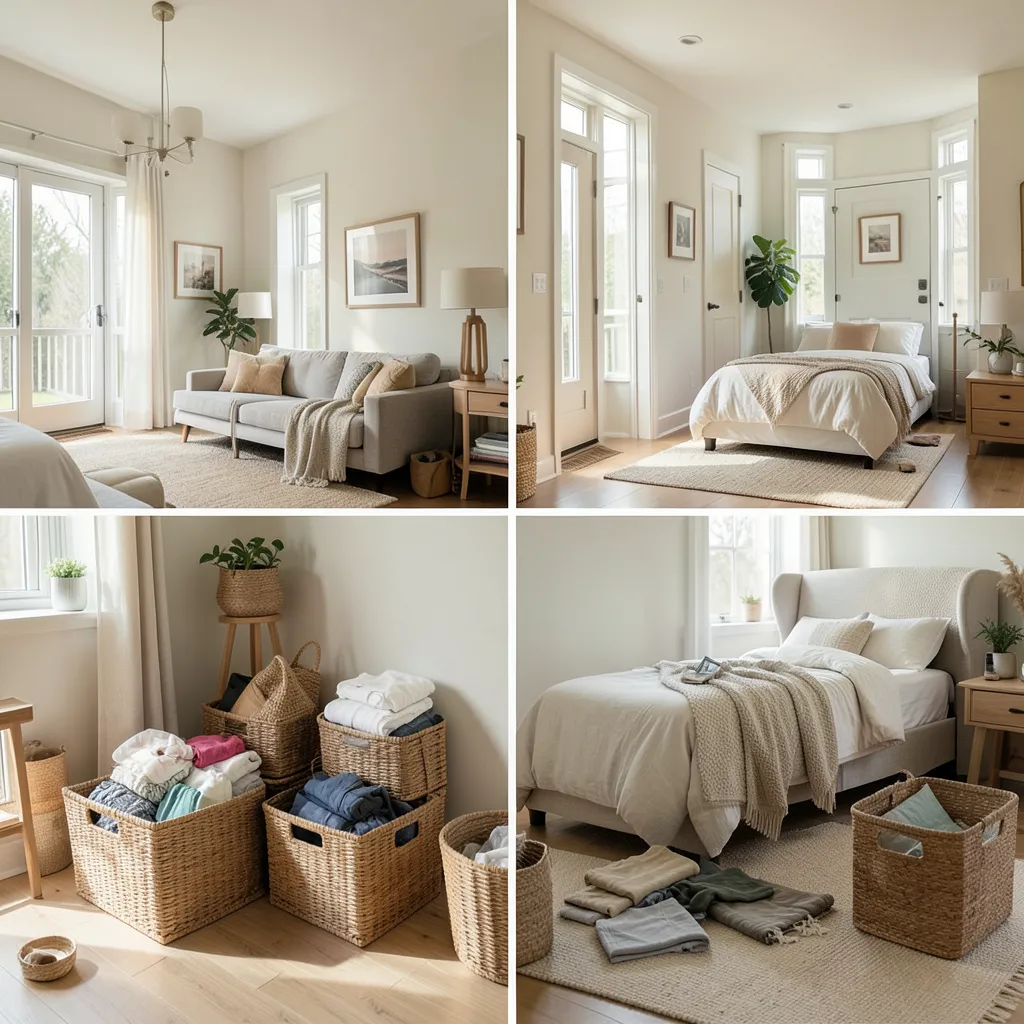
Empty your closet completely. Every item goes on the bed, a chair, or the floor. This step feels unnecessary, but it is where you discover:
Items you forgot you owned
Things you have not worn in over a year
Duplicates (three black belts, six white t-shirts)
Items that belong somewhere else
Sort everything into four piles: Keep, Donate, Discard, and Relocate.
Be honest about the Keep pile. The goal is to store only what you actually wear.
Step 2: Categorize What Stays
Group your Keep pile into categories that reflect how you dress, not fashion rules:
Everyday clothing (what you wear most weeks)
Work or occasion clothing
Seasonal items (coats, heavy sweaters, summer-only pieces)
Shoes
Bags and accessories
Folded items (t-shirts, jeans, knitwear)
Count items in each category. This is the data you need to plan your storage — you need to know how many hanging items you have, how many pairs of shoes, and how many folded items.
Step 3: Measure Before You Buy Anything
Measure your closet: total width, height, and depth of the main hanging area. Note any fixed elements — a shelf above the hanging rod, the position of a light fixture, or any built-in drawers.
Then calculate how much rod space you need.
A rough guide: shirts and jackets need about 1 inch of rod per item; pants folded over a hanger need about 1.5 inches; dresses and long coats need 1.5–2 inches and require longer hanging space (at least 60 inches of clearance).
Step 4: Design Your Zones
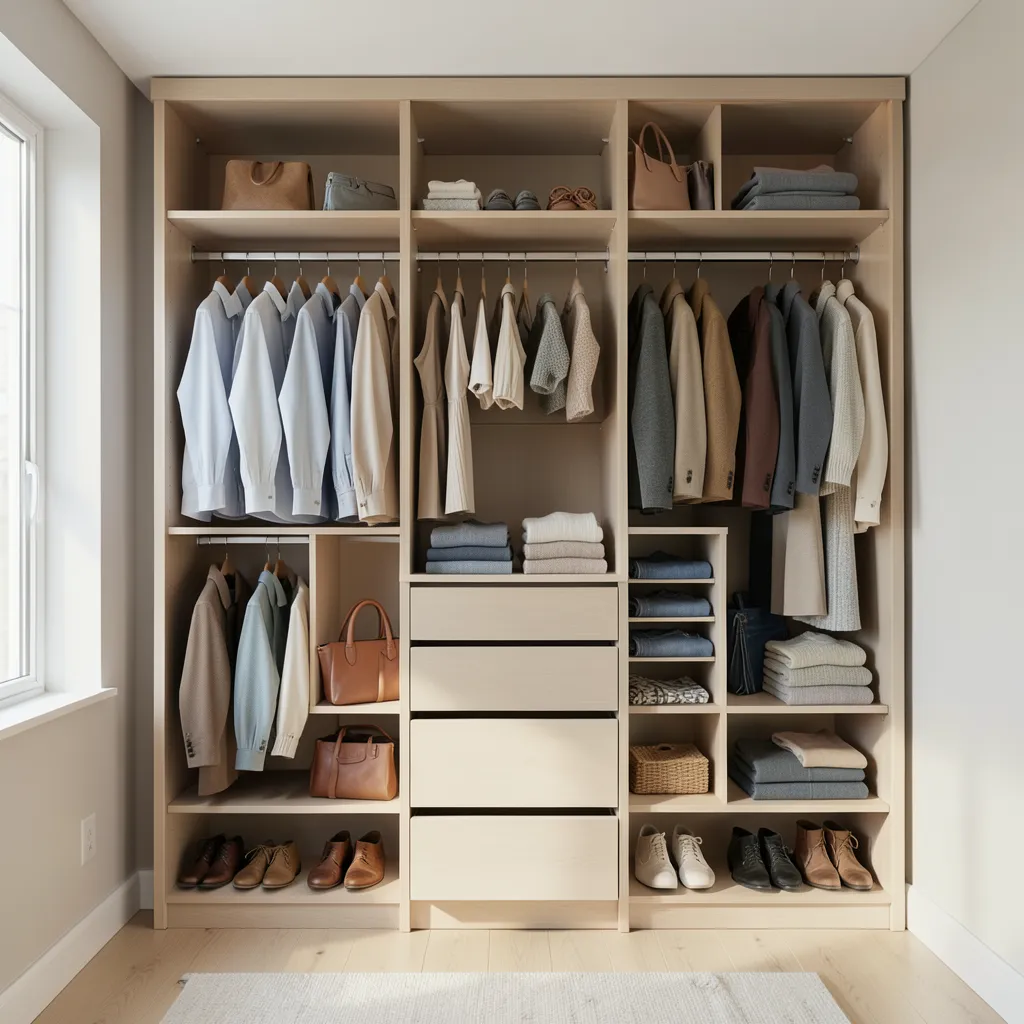
Like a pantry, an efficient closet works on zones. The most-used items go in the most accessible spots:
Prime zone (eye level, center): Everyday clothing — the shirts, pants, or dresses you rotate through regularly.
Secondary zone (above or to the sides): Work clothing, occasion wear, items used weekly but not daily.
Storage zone (high shelves, floor space, behind doors): Seasonal items, rarely-used bags, extra bedding.
Step 5: Use Vertical Space
Most closets are underutilized vertically. Standard configurations leave significant empty space above and below hanging clothes. Common fixes include:
Double-hang rods: Add a second rod below short items (shirts, jackets) to stack two rows of hanging clothes.
Shelf dividers: Keep folded stacks from toppling into each other.
Over-door organizers: Shoes, accessories, or folded items on the inside of the closet door.
Stackable bins: Use them on high shelves for seasonal items and bags.
Step 6: Folding vs. Hanging
A common organization mistake is hanging everything that can hang. Hanging takes more rod space than folding takes shelf space for most items. As a rule:
Always hang: Dress shirts, blouses, jackets, blazers, dresses, suits, and anything that wrinkles badly when folded.
Always fold: Knitwear (hanging stretches the shoulders), jeans, casual t-shirts, shorts, athletic wear, and heavy sweaters.
Either works: Casual button-downs, chinos, and lightweight trousers.
Maintaining Your Closet
A closet system needs two maintenance habits:
One in, one out: When you buy a new item, donate or discard one you no longer need. This keeps your total inventory stable.
Seasonal rotation: Twice a year (spring and fall), move seasonal items to storage and bring the relevant season forward. This is also a natural moment for a quick edit of what you no longer wear.
Decluttering is not about minimalism or getting rid of everything you own. It is about making intentional decisions about what belongs in your home. This room-by-room method helps you make those decisions quickly and stick with them.
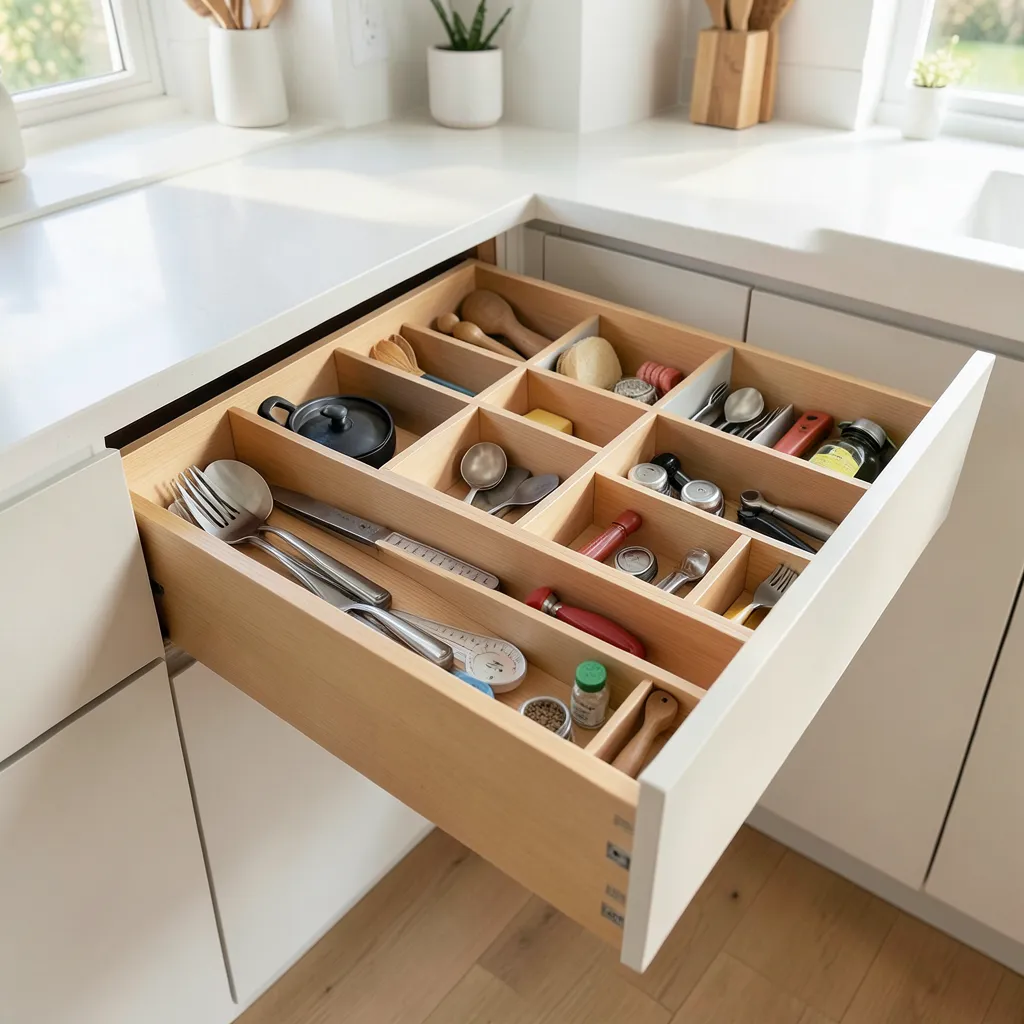
Kitchen drawers become junk drawers by default. This guide shows you how to turn them into organized, functional storage with the right dividers, the right categories, and one key decision that most people skip.
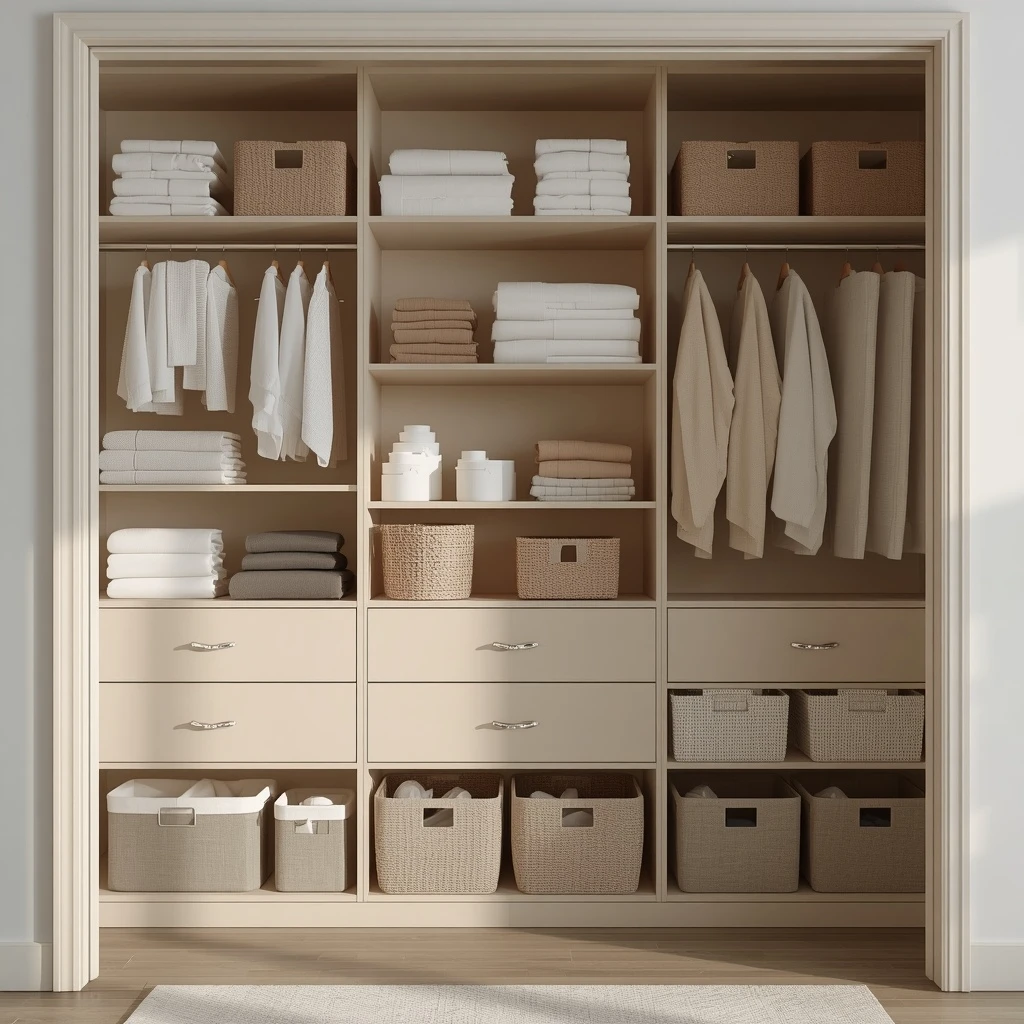
A linen closet stuffed with falling towels and mismatched sheets is one of the most frustrating storage problems in any home. This guide builds a functional system for bedding, towels, and the overflow items that tend to accumulate in linen closets.