How to Organize a Linen Closet: A System for Towels, Sheets, and Everything Else
A linen closet stuffed with falling towels and mismatched sheets is one of the most frustrating storage problems in any home. This guide builds a functional system for bedding, towels, and the overflow items that tend to accumulate in linen closets.
By HomeLogicWorld Editorial
Updated September 16, 2026
The linen closet is one of those spaces that most people half-organize once and then let drift back toward chaos. Sheets fall out when you pull one out. Towels form an unstable pile. Extra blankets consume three shelves. The medicine overflow, the gift wrap, the extra toiletries — all of it lands in the linen closet because there is nowhere else obvious to put it. A properly organized linen closet is not complicated to achieve, but it does require a clear system.
Step 1: Empty Everything and Evaluate
Pull everything out of the linen closet completely. Evaluate what is there. Common linen closet findings:
Towels that are worn out but have not been discarded
Sheet sets missing their fitted sheet or pillowcase
Blankets and comforters that are no longer used
Items that should not be in a linen closet at all
Discard or donate what is worn or unused. Reunite separated sheet sets or discard incomplete ones. Decide before you reorganize what should actually live in this closet.
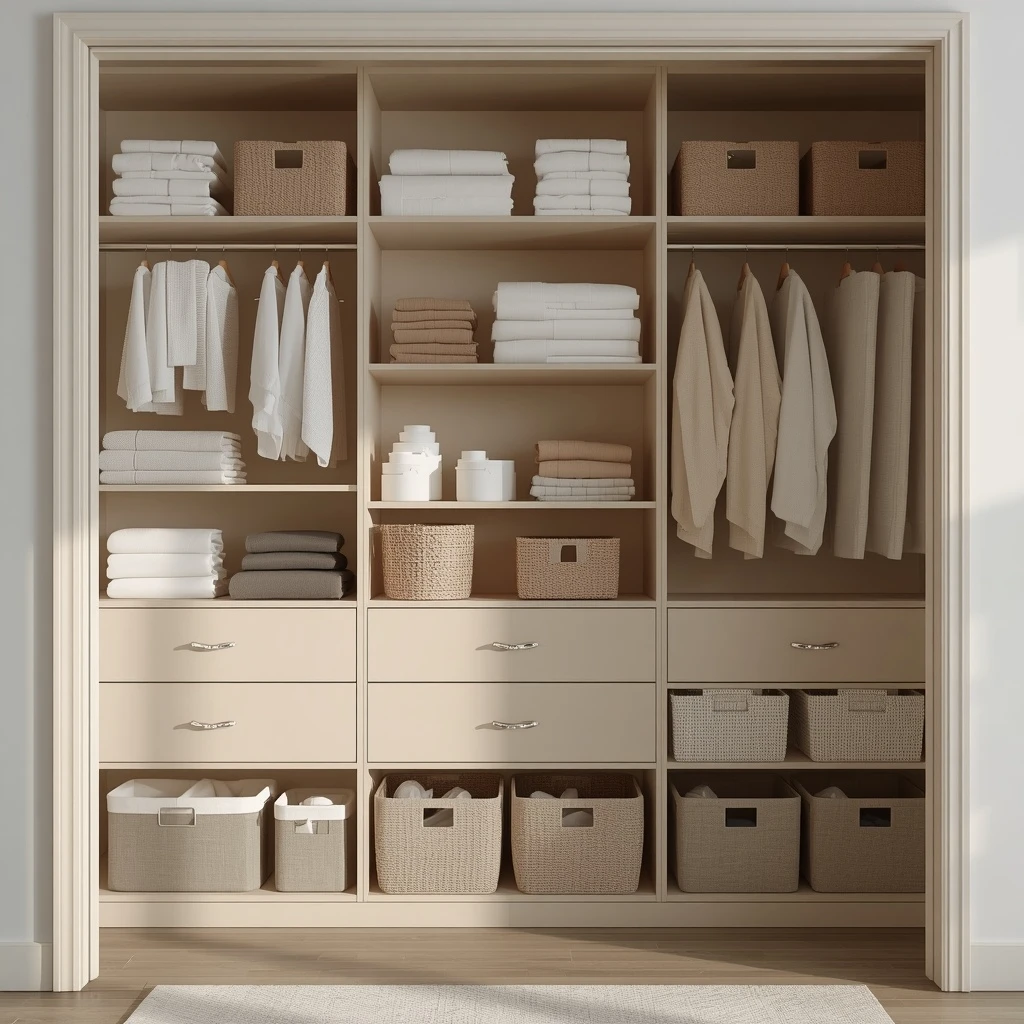
Step 2: Assign Shelves by Category and Frequency
Organize the closet vertically by how frequently items are used:
Eye level to waist height: items used most often — everyday towels, frequently used sheets, extra pillowcases
Below waist: heavy items — extra blankets, rarely used comforters
Above eye level: seasonal or rarely used items — holiday bedding, guest linens
Step 3: The Pillowcase Filing Method for Sheets
The most effective way to store a complete sheet set is the pillowcase method: fold the fitted sheet, fold the flat sheet, then fold both sheets and any extra pillowcases into one of the set's pillowcases. The result is a self-contained bundle that stores flat, stays together, and is easy to grab as a complete unit. No more digging for a matching pillowcase.
Step 4: Towel Folding and Stacking
Towels stored in a flat stack collapse when you pull from the middle. Two better options:
Roll folding: rolling towels tightly and storing them on their side (like a bin of towel rolls) makes every towel independently accessible
Tri-fold standing: folding towels in thirds and standing them upright in a bin or on the shelf, visible from the front
Either method allows you to pull one towel without disturbing the rest.
Step 5: Use Bins for Small Items and Overflow
Linen closets often hold small items — extra toiletries, first aid supplies, light bulbs — that would fall through standard shelving. Shallow open bins or baskets on designated shelves keep these items contained and visible. Label the bins so the system is easy to maintain without memorizing what goes where.
Step 6: Shelf Risers and Dividers
Standard linen closet shelving provides less vertical separation between shelves than most items require. Shelf risers double the usable surface area of a single shelf by creating a level above. Vertical shelf dividers — simple L-shaped dividers that mount to the shelf — prevent towel stacks from toppling into adjacent space.
How Many of Each Item Should You Keep?
A practical baseline for an average household:
Towels: 2 per person plus 2 guest towels
Sheet sets per bed: 2–3 (one in use, one clean, one extra)
Washcloths: 4–6 per person
Blankets per bed: 1–2 extras beyond what is on the bed
Excess beyond these numbers occupies space without providing additional function in most households.
Maintaining the System
A linen closet system fails when items are returned to the wrong place after laundry. Labels on shelves or bins make the correct return location obvious. Designate one shelf or bin as a temporary landing zone for items that need a decision — do not let it overflow.
Products That Help
These product categories address the most common linen closet problems. Check current availability on Amazon.com:
Shelf dividers (wire or acrylic)
Shelf risers
Woven or fabric bins with labels
Vacuum storage bags for seasonal comforters and heavy blankets
Cedar blocks or sachets for freshness and moth prevention
Decluttering is not about minimalism or getting rid of everything you own. It is about making intentional decisions about what belongs in your home. This room-by-room method helps you make those decisions quickly and stick with them.
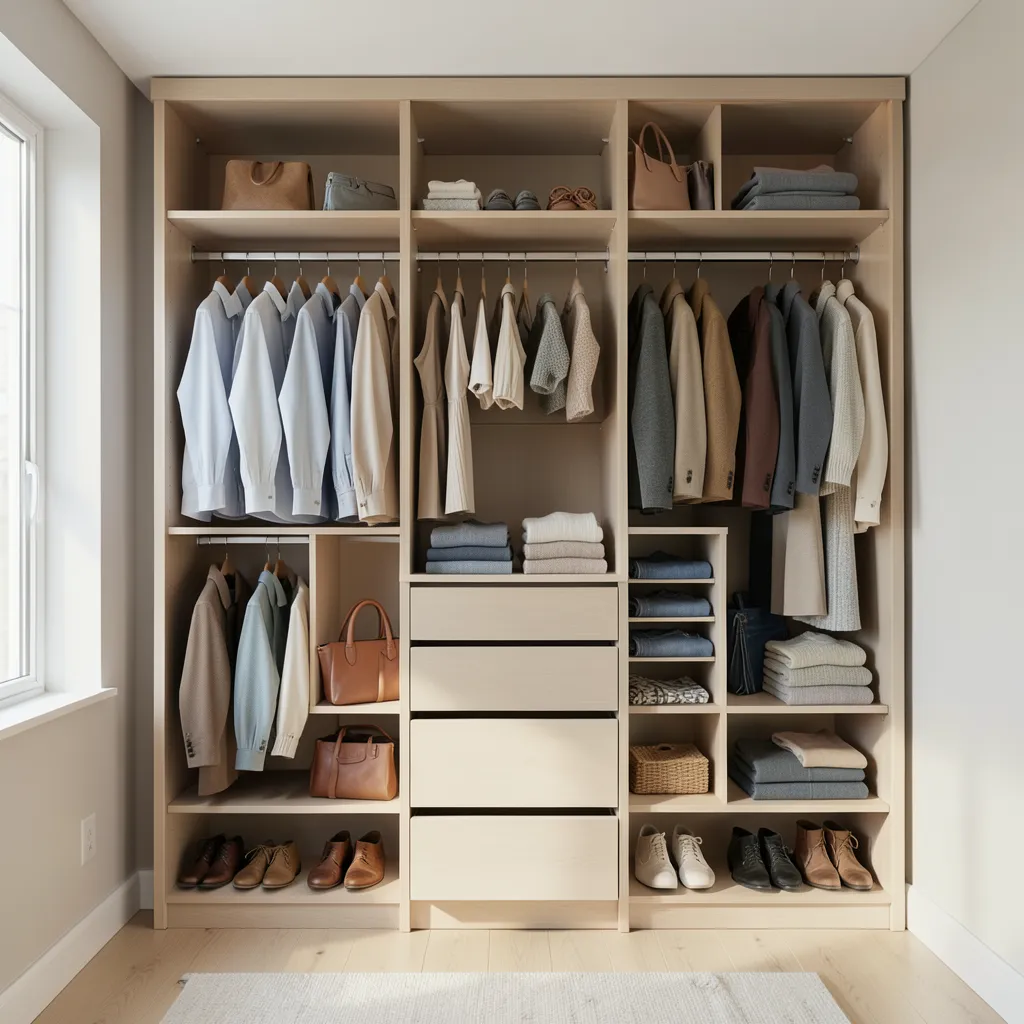
Most closet organization projects fail within three months. This guide explains why — and how to build a system based on your actual wardrobe that holds up long-term.
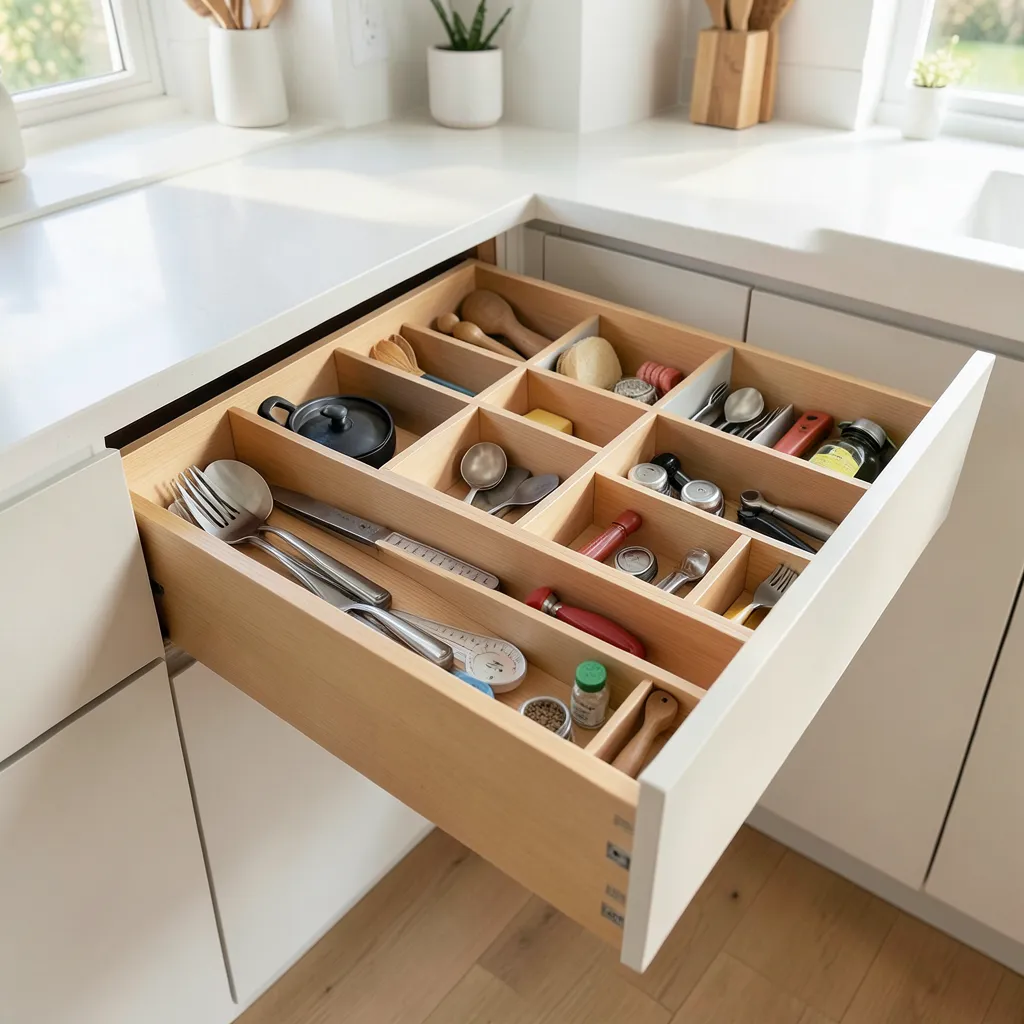
Kitchen drawers become junk drawers by default. This guide shows you how to turn them into organized, functional storage with the right dividers, the right categories, and one key decision that most people skip.