How to Organize Your Closet: The Complete Guide to a System That Stays Neat
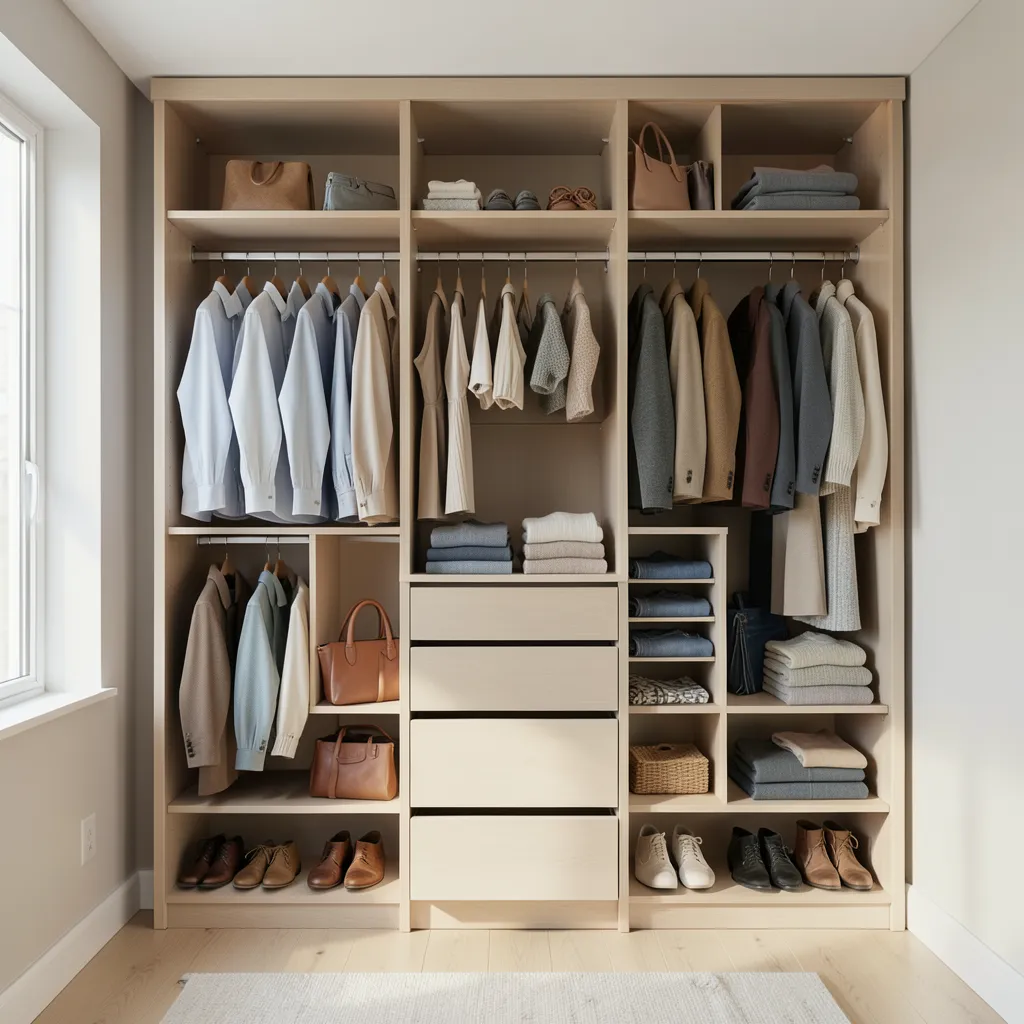
Most closet organization projects fail within three months. This guide explains why — and how to build a system based on your actual wardrobe that holds up long-term.
Decluttering is not about minimalism or getting rid of everything you own. It is about making intentional decisions about what belongs in your home. This room-by-room method helps you make those decisions quickly and stick with them.
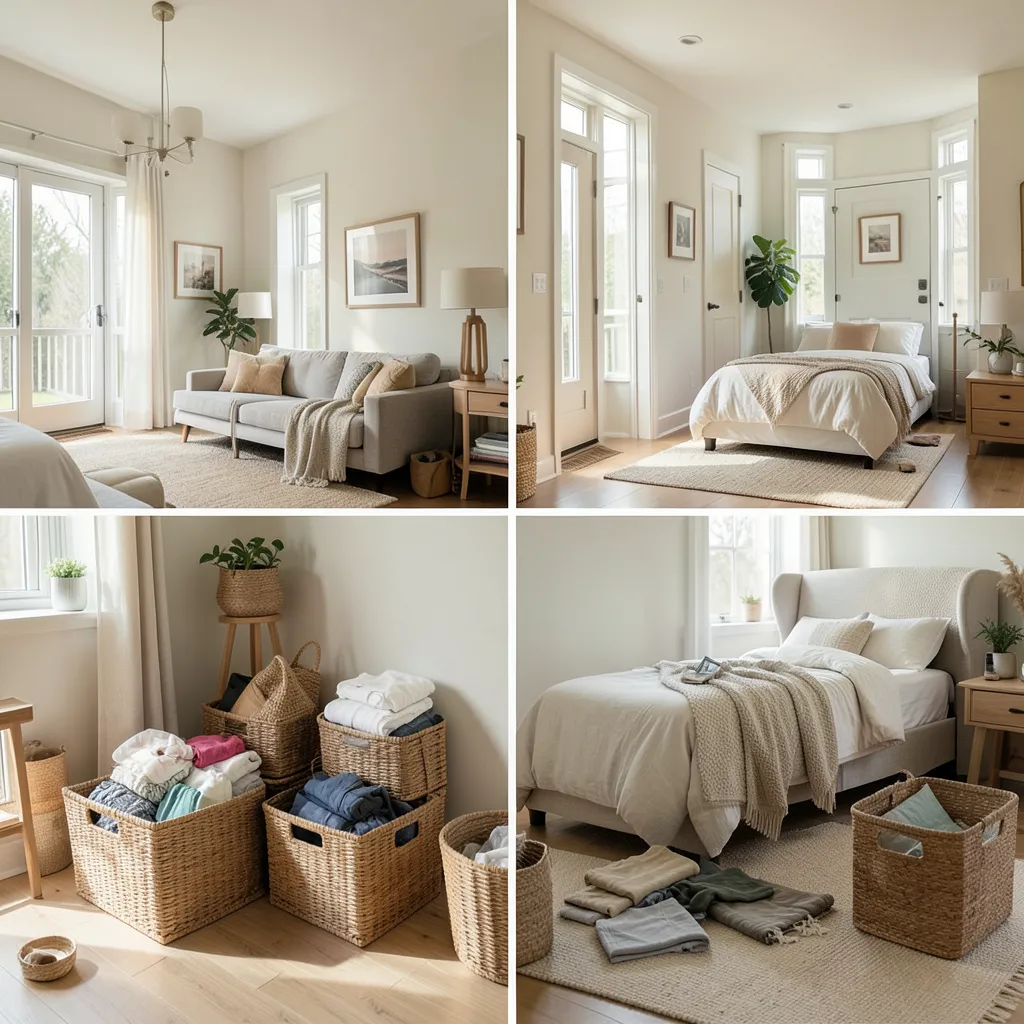
Most decluttering advice focuses on what to get rid of. This guide focuses instead on what to keep — and why.
The question to ask for every item is not "Should I get rid of this?" but "Does this belong in my home and daily life?"
This shift matters because it changes the default. "Should I get rid of this?" starts from keep; "Does this belong here?" starts from neutral.
The second question is easier to answer honestly.
Start with the kitchen. It is the room that usually has the most clear-cut decisions — expired food, broken appliances, duplicate utensils, and gadgets that were used once.
Work through:
Questions that clarify kitchen decisions:
The bedroom often holds items from every room of the house — things put there temporarily and forgotten.
Work through:
Clothing decisions: If you have not worn it in a year, ask why.
If the answer is "it does not fit," "I never liked how it looked," or "I am saving it for someday," it is a candidate for donation.
Bathrooms accumulate products that were used once, duplicates from bulk buying, and expired medications.
Go through:
Most people keep 30–40% more products in their bathroom than they actively use.
Living areas collect the widest variety of objects: books, media, decorative items, hobby supplies, mail and paper, electronics, and cables.
Work through each category separately rather than going surface by surface.
Keep what you will read again or reference; donate the rest.
Keep what you actively like seeing. Store or donate what you feel obligated to display.
Deal with it — file, act, or discard — rather than simply moving it.
Leave these for last.
Storage areas require the most energy and are where the most complicated decisions live. Going through them after the rest of the house is done gives you a clearer sense of what actually needs to be stored.
The key question for storage areas is:
Am I storing this because I will genuinely use it, or because I feel guilty getting rid of it?
Items in the second category cost you storage space you could use for things you actually need.
A decluttered home returns to clutter if the underlying patterns that created it do not change.
Three habits that prevent re-accumulation:
A realistic time estimate for a full home, working in 90-minute sessions:
The first session is always the hardest.
Decision-making speed typically improves significantly by the third or fourth session as you internalize your own criteria for what belongs.
Most closet organization projects fail within three months. This guide explains why — and how to build a system based on your actual wardrobe that holds up long-term.
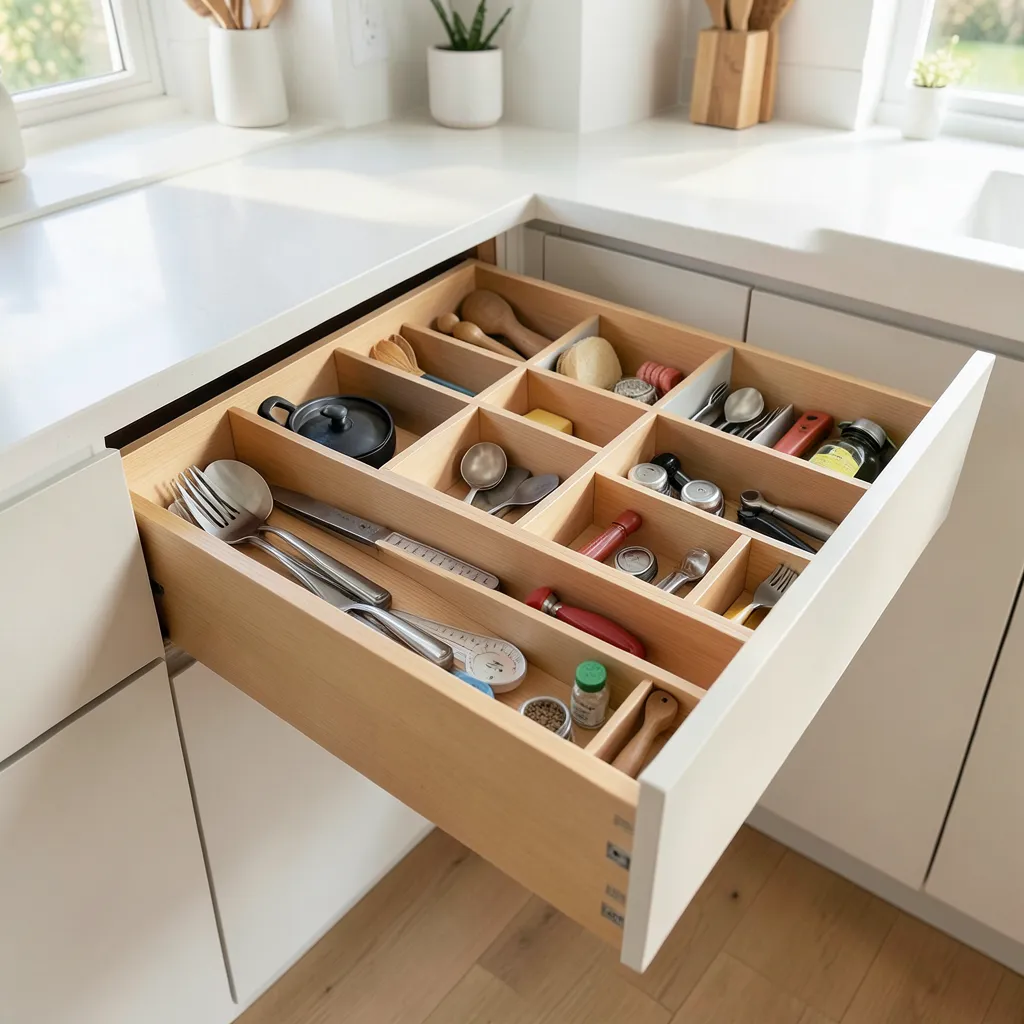
Kitchen drawers become junk drawers by default. This guide shows you how to turn them into organized, functional storage with the right dividers, the right categories, and one key decision that most people skip.
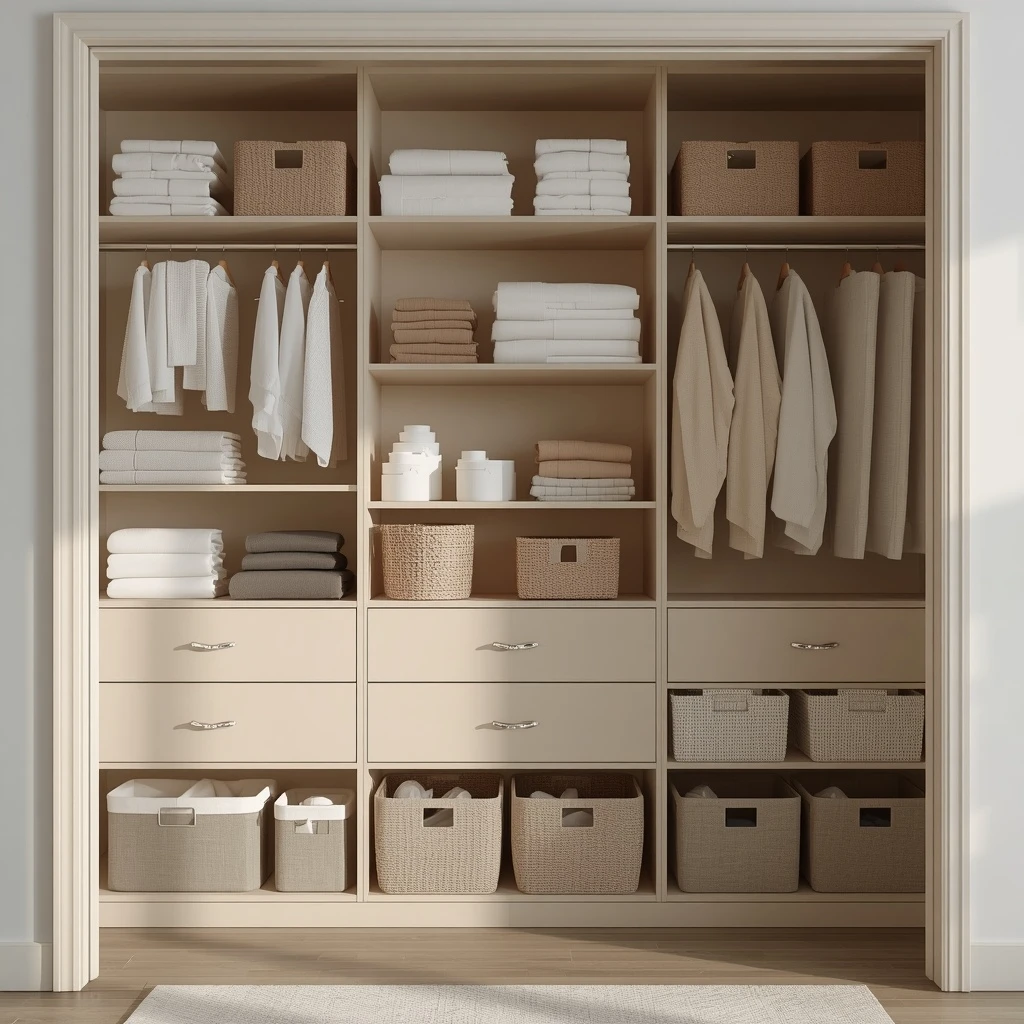
A linen closet stuffed with falling towels and mismatched sheets is one of the most frustrating storage problems in any home. This guide builds a functional system for bedding, towels, and the overflow items that tend to accumulate in linen closets.